November 4, 2026
Exterior screens offer homeowners a practical way to make indoor and outdoor living spaces more comfortable, functional, and enjoyable. Whether installed on a patio, porch, window, or covered outdoor entertainment area, these systems can help manage sunlight, keep insects away, and create a greater sense of privacy. Depending on the material and design, they may also reduce solar heat entering the home, potentially helping homeowners manage cooling costs during warmer months.
As outdoor living continues to influence residential design, homeowners are looking for ways to get more value from their existing spaces without committing to expensive additions. Exterior screens provide a flexible option that can accommodate different architectural styles, budgets, and household needs. From simple fixed screens to advanced motorized systems, there are solutions for nearly every type of property.
How Do Exterior Screens Improve Home Comfort?
Sunlight, insects, and uncomfortable temperatures can make outdoor spaces less appealing, even when the weather seems ideal. Exterior screens help address these problems by creating a more controlled environment without completely separating homeowners from the outdoors.
Screening materials can filter direct sunlight and reduce glare, making patios and porches more comfortable during bright afternoons. Depending on the material, they may also provide shade that helps prevent outdoor furniture from becoming excessively hot. These benefits can make it easier to enjoy outdoor meals, read a book, or spend time with family without constantly adjusting seating arrangements to avoid the sun.
Airflow is another important consideration. Unlike solid walls, many screening systems allow fresh air to circulate while providing a barrier against insects and airborne debris. This combination helps maintain an open, airy atmosphere that homeowners may prefer to a fully enclosed room.
Can Exterior Screens Help Reduce Energy Costs?
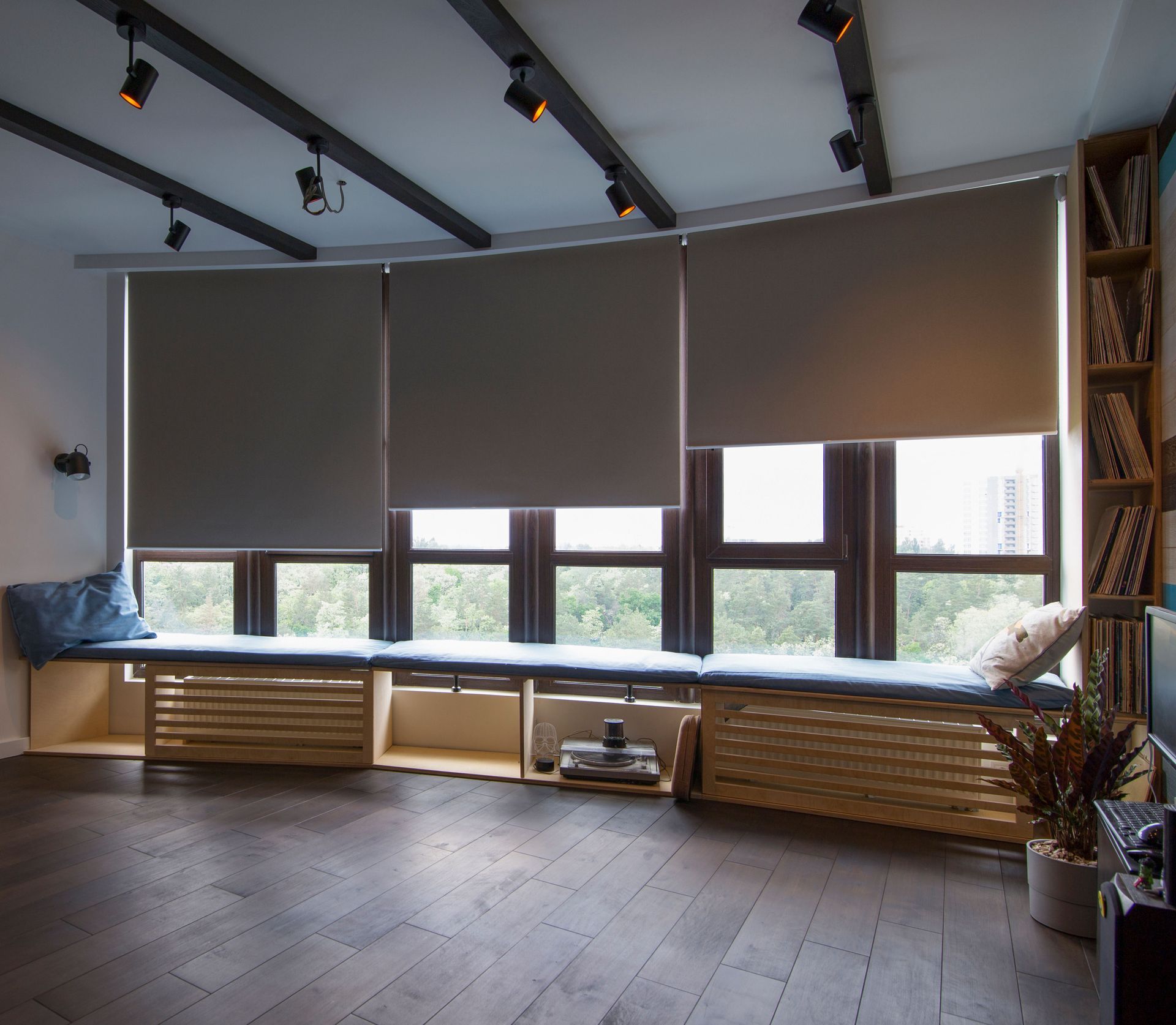
Managing sunlight is an important part of maintaining a comfortable home, particularly during summer. Windows that receive direct sunlight can allow substantial solar heat to enter indoor spaces, increasing the workload on air conditioning systems. Exterior screens can help limit this heat gain by intercepting some sunlight before it reaches the glass.
The effectiveness of this approach depends on several factors, including screen material, openness, window orientation, and the intensity of sunlight. Solar screening fabrics are specifically designed to reduce glare and solar exposure while preserving some outward visibility. South- and west-facing windows may benefit particularly from appropriate shading, although the best solution depends on the home's design and local climate.
By reducing heat entering the home, exterior screens may help indoor spaces remain more comfortable during hot weather. This can potentially reduce reliance on air conditioning, especially when screening is combined with effective insulation, weatherstripping, and suitable window coverings.
However, energy savings are not guaranteed. Results vary according to the home's existing efficiency, household cooling habits, and the type of screening installed. Homeowners should compare the cost of installation with their expected benefits rather than assuming that every system will produce substantial reductions in utility bills.
What Types of Exterior Screens Are Available for Homes?
Homeowners can choose from several screening systems, each offering different advantages in terms of convenience, appearance, and cost. Understanding these options helps narrow the selection to systems that fit the property's layout and intended use.
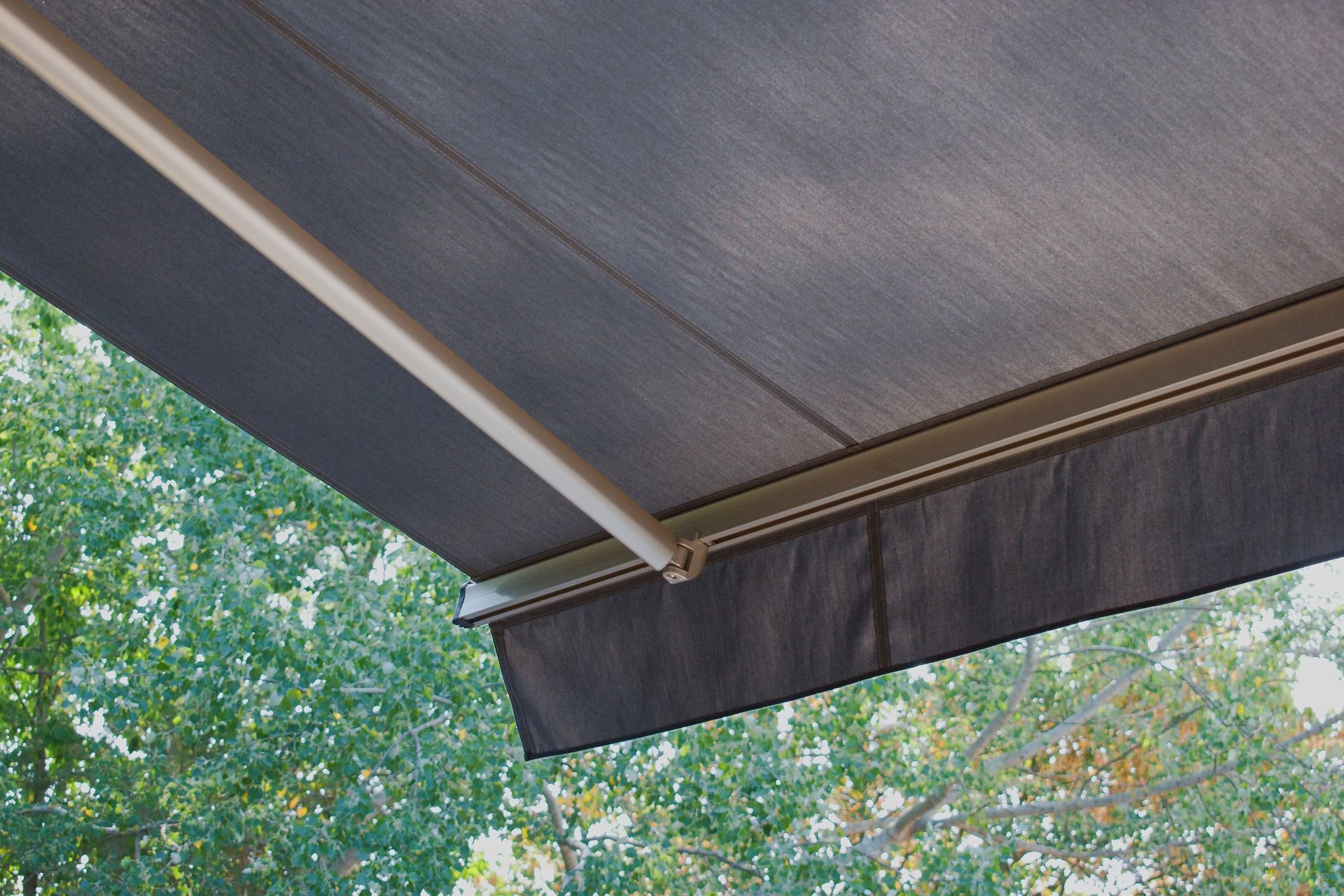
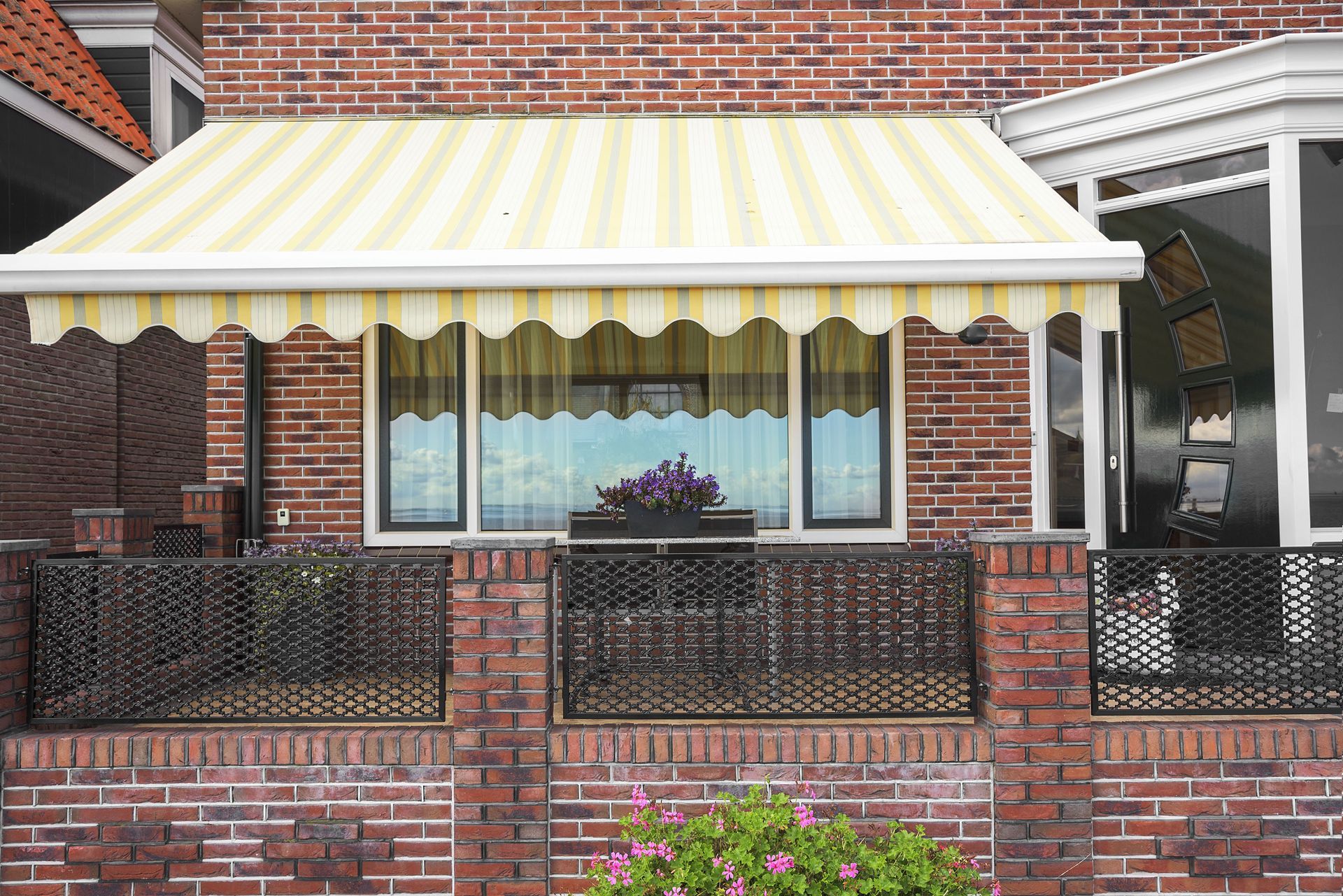
Retractable screens can be raised or lowered when needed, allowing homeowners to alternate between an open space and a screened environment. They work particularly well on patios, porches, and large openings where preserving unobstructed views is important. When retracted, the screen can remain largely out of sight.
Motorized screens offer similar flexibility with added convenience. Operated by a switch or remote control, they can cover larger openings without requiring manual adjustment. Some systems can integrate with home automation features, although additional controls and installation requirements may increase the initial expense.
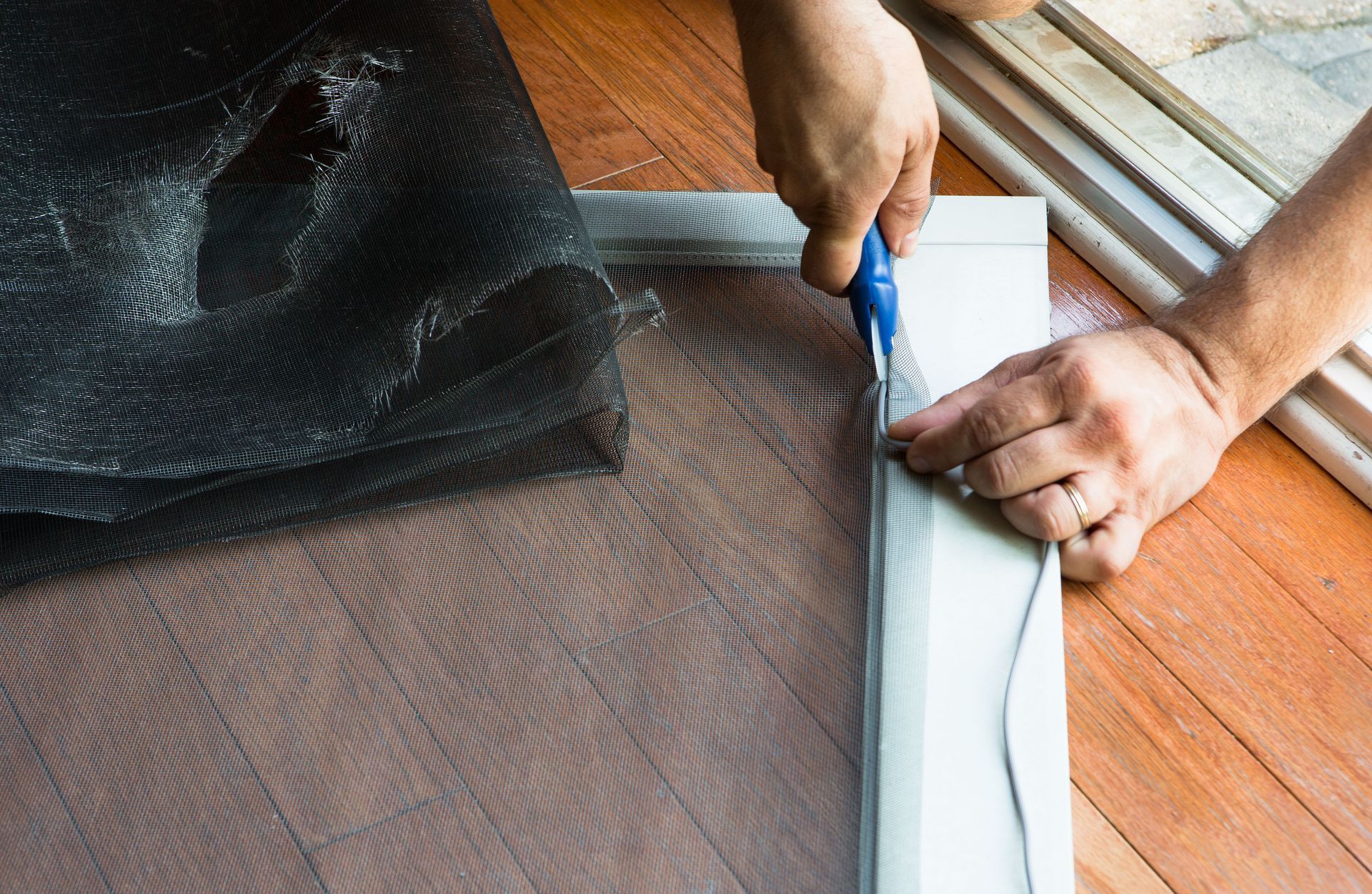
Fixed screens provide a straightforward alternative for homeowners who want consistent insect protection and airflow. Because they remain in place, they can be suitable for traditional porches, screened windows, and openings that do not require frequent access. Their simplicity may also make them less expensive than more elaborate retractable systems.
Screened enclosures take the concept further by incorporating screening across multiple sides of an outdoor area. These structures can create a more defined environment for dining, entertaining, or relaxing. Depending on the design, they may require additional framing, professional installation, and compliance with local building requirements.
Do Exterior Screens Provide Privacy and Protection From Insects?
Privacy and insect protection are two major reasons homeowners choose screening for outdoor living spaces. A patio that faces neighboring properties or a busy street may feel exposed, making it difficult to relax comfortably. Depending on their density and material, screens can soften sightlines and create a greater sense of separation without requiring solid walls.
Solar screens and specialized privacy fabrics may offer additional visual screening during certain lighting conditions. However, privacy performance varies, and some materials become more transparent when the area behind them is brightly illuminated. Homeowners should evaluate samples under different lighting conditions before selecting a product intended primarily for privacy.
Insect protection is another practical advantage. Properly fitted mesh helps keep mosquitoes, flies, and other unwanted pests outside while allowing fresh air to circulate. This can make outdoor dining more enjoyable and reduce interruptions during family gatherings.
The mesh size matters because different products provide different levels of protection. Standard insect screening suits many residential applications, while finer mesh may be appropriate for locations where smaller biting insects are a concern.
Are Exterior Screens a Worthwhile Long-Term Investment?
The long-term value of screening depends on how frequently homeowners use their outdoor spaces, the quality of the products selected, and the costs associated with installation and maintenance. For households that regularly entertain guests or enjoy spending time outside, improved comfort can make an existing patio or porch significantly more useful.
Durability should be a priority when comparing products. Outdoor systems face sunlight, moisture, temperature fluctuations, and wind, all of which can contribute to wear. Quality mesh, sturdy frames, and suitable mounting hardware can help extend service life. Homeowners in regions with harsh winters should also ask whether screens need to be retracted, removed, or protected during severe weather.
Maintenance is generally manageable but should not be overlooked. Periodic cleaning helps remove dust and debris, while checking the mesh and operating mechanisms can reveal small problems before they become more expensive repairs. Following the manufacturer's recommendations can preserve both performance and appearance.
Energy savings may contribute additional value, particularly when screens reduce unwanted solar heat gain. Nevertheless, homeowners should evaluate potential savings alongside installation costs rather than treating them as guaranteed returns.
Outdoor living space itself can be an important selling point. According to the National Association of Home Builders, roughly 61% of U.S. houses built in 2024 had patios, highlighting the popularity of this residential feature. A well-maintained screened patio may help prospective buyers envision a comfortable, usable outdoor area, although no particular improvement guarantees a higher resale price.
Exterior screens can improve home comfort, help manage sunlight, provide insect protection, and make outdoor living spaces more versatile. With fixed, retractable, motorized, and enclosure options available, homeowners can select a design that complements their property and lifestyle. Comparing durability, maintenance, installation costs, and potential energy benefits can help ensure an informed decision. For homeowners seeking to make better use of their patios, porches, or windows, the right screening system can be a practical improvement that delivers lasting everyday enjoyment. If you're considering a patio, contact The Blind Place today!