July 2, 2026
Discovering the perfect blinds for your home can enhance both the aesthetic and functionality of your living spaces. This article will guide you through essential considerations to help you select the ideal style of blinds. Choosing the right blinds involves understanding the different styles available, considering the unique needs of each room, and selecting the best materials that suit your functional and aesthetic criteria. This guide aims to equip you with the knowledge needed to make informed decisions, ensuring you invest in blinds that add value and charm to your home.
1. What Are the Different Types of Blinds Available?
1.1 Vertical Blinds
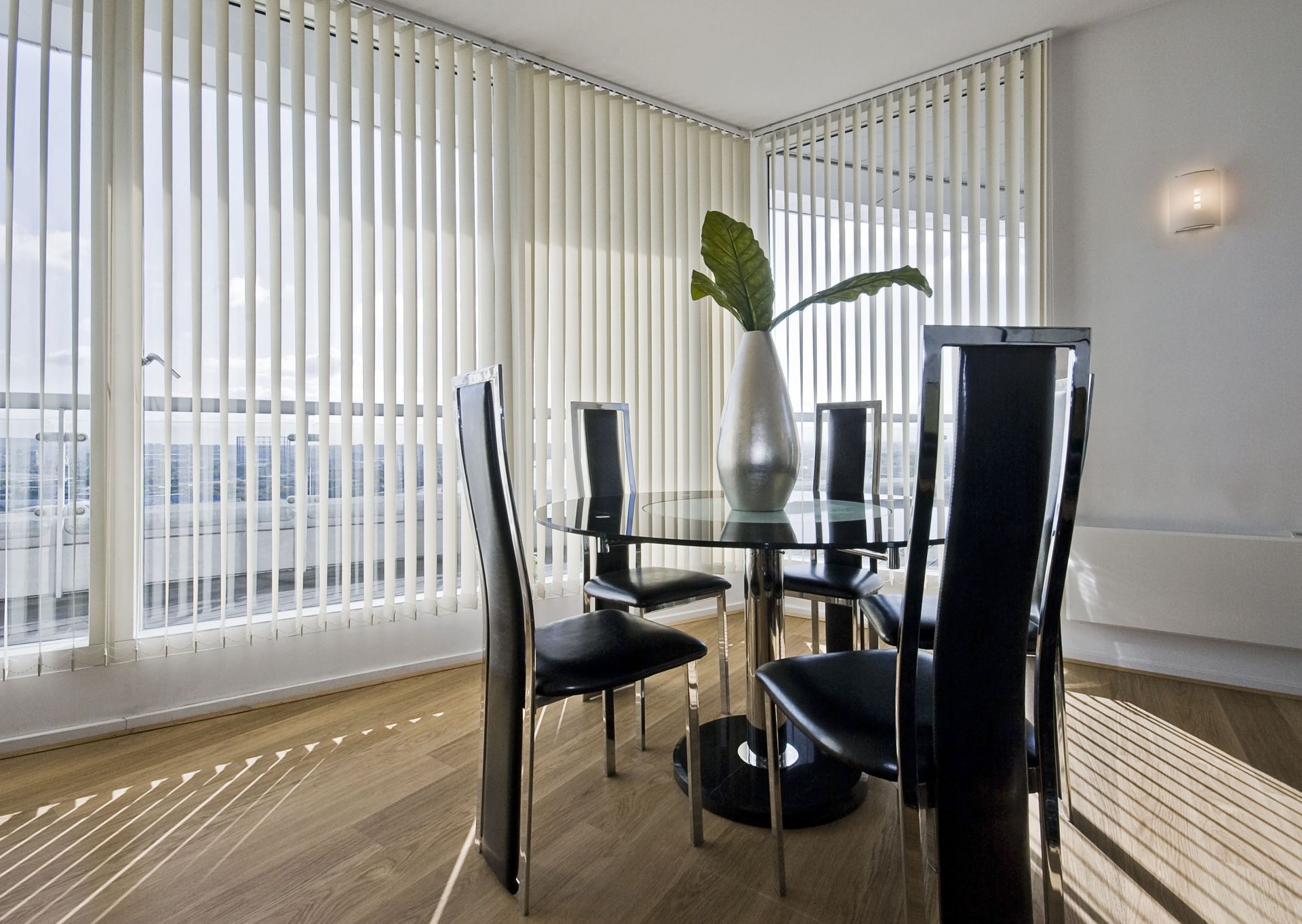
Vertical blinds are highly functional for various settings, especially for large windows and sliding glass doors. They consist of vertical slats that can be tilted and drawn to the side, offering flexible light control. The design also allows for a sleek appearance, making them suitable for modern and minimalist homes. Vertical blinds are also easy to clean and maintain, which makes them a practical choice for busy households.
The operational orientation of vertical blinds allows them to stack compactly to the side, providing a clear and unobstructed view. They are available in a range of materials, including fabric and PVC, allowing customization to fit different room decors. According to Cullens Home Center, vertical orientations are one of the core operational styles that form part of the foundational styles of blinds. Vertical blinds can also be motorized for enhanced convenience, offering a touch of luxury to everyday living spaces.
Despite their practical benefits, vertical blinds can sometimes appear industrial, which might not appeal to everyone's taste, especially in residential settings. However, the variety of materials and colors available can offset this by offering softer aesthetics. Vertical blinds are also excellent at controlling the amount of light and privacy, making them perfect for rooms that require variable lighting. Choosing the right color can dramatically impact the perceived size and ambiance of a room, adding an extra layer of design flexibility.
1.2 Venetian Blinds
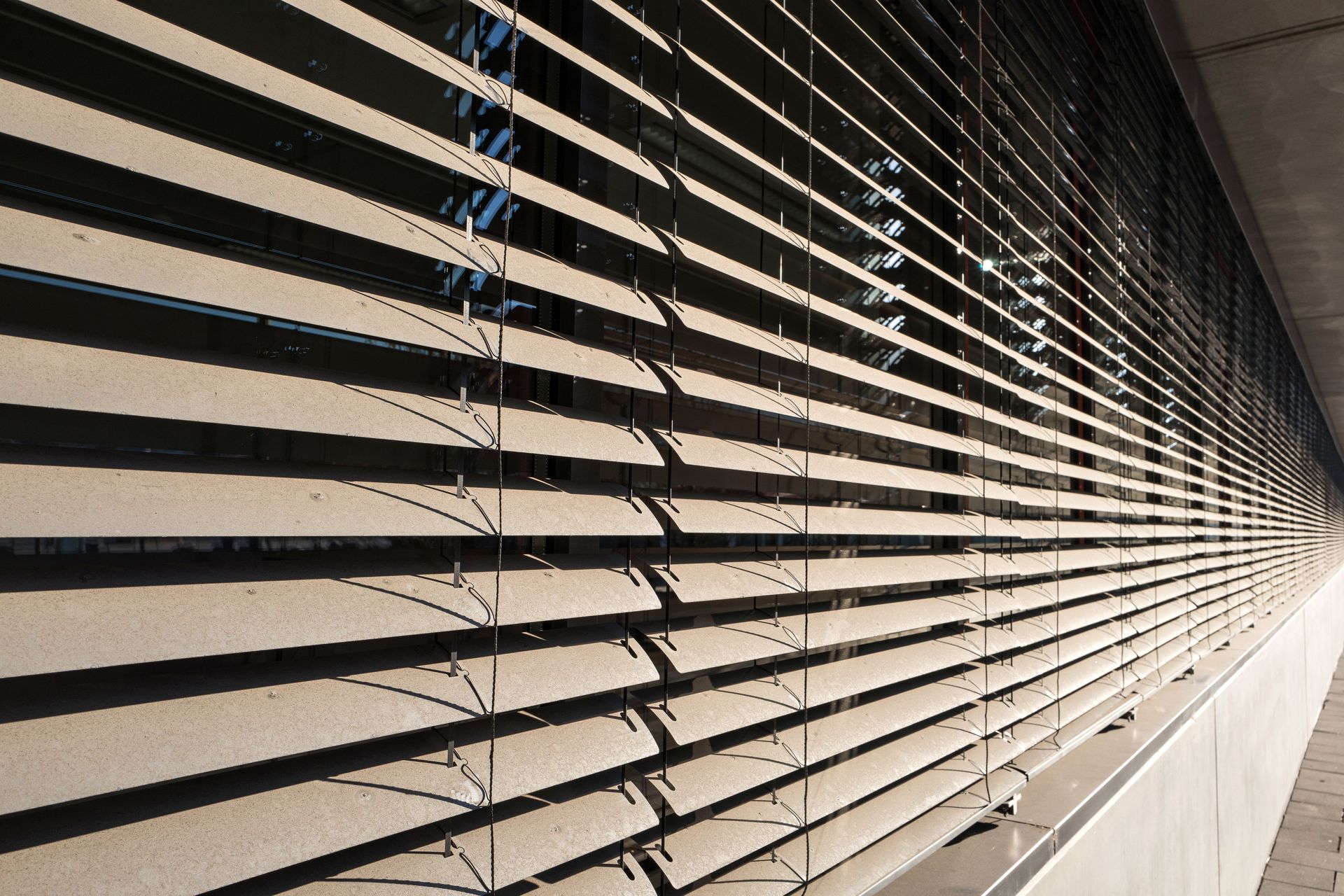
Venetian blinds are characterized by horizontal slats, typically made from wood, aluminum, or PVC. These blinds are versatile and suit nearly any room style, adding sophistication and elegance. The slats can be precisely adjusted to control light and maintain privacy while still allowing ventilation. One of the distinct advantages of Venetian blinds is their adaptability to a wide range of window sizes and shapes, accommodating both wide and narrow window spaces.
The ability to completely close the slats provides superior light blocking, which can be beneficial for bedrooms or media rooms. Additionally, they offer excellent insulation properties by trapping air between the slats and the window, helping to reduce energy costs. According to the foundational styles offered by various manufacturers, Venetian blinds are a popular horizontal operational orientation. Their widespread availability in numerous materials, finishes, and colors ensures that they can be tailored to match any interior design theme.
Venetian blinds also come in various widths, which can influence the overall appearance and functionality of the window treatment. Wider slats tend to give a more contemporary feel, while narrower ones can appear more classic. The choice of material—whether sleek metal or warm wood—can further enhance the desired style, adding texture and depth to your windows. Given their timeless design, Venetian blinds are a favorite choice for many homeowners looking to combine form and function.
2. How to Choose Blinds Based on Room Type?
2.1 Kitchen Blinds
Choosing the right blinds for your kitchen involves considering factors such as moisture, heat, and light. Kitchen blinds need to be both resilient and easy to clean due to the high likelihood of splatters and stains. Blinds made from PVC or treated wood are excellent options, as they can withstand the kitchen's humid environment without warping or deteriorating. Additionally, they should offer good light control, for instance, by using slats that adjust for the desired amount of natural light while maintaining privacy.
The color and style of the blinds can greatly affect the kitchen's overall ambiance, with lighter shades creating an airy feel and darker colors adding warmth. Roller and Venetian blinds are popular choices, providing the necessary functionality and a clean look that complements kitchen setups. Moreover, according to foundational styles, both vertical and horizontal operational orientations work well depending on window size and layout. Sleek designs free of fabric folds are especially desirable in kitchens, where practicality needs to harmonize with aesthetics.
2.2 Bathroom Blinds
When selecting blinds for bathrooms, moisture resistance and privacy are paramount. Since bathrooms are typically smaller spaces, blinds that provide both ventilation and privacy, such as those with adjustable slats, are desirable. Materials like aluminum or PVC are recommended due to their ability to withstand humidity without corroding. Easy maintenance is also critical, and these materials can be wiped clean with minimal effort, making them ideal for bathrooms.
The bathroom is an area where style and functionality can meet through the strategic choice of blinds. Roller blinds in waterproof fabrics are particularly effective, offering a sleek appearance and excellent light control when applied over bathroom windows. As noted by Cullens Home Center, operational orientation—either horizontal or vertical—plays a role in the fundamental layout of bathroom blinds, aligning with the specific needs of privacy and window size. The blinds’ aesthetic should also complement the bathroom's color scheme and fixture finishes, helping to foster a relaxing, spa-like environment.
3. Which Materials Are Best for Blinds?
3.1 Wooden Blinds
Wooden blinds exude natural beauty, adding warmth and texture to any room they adorn. They offer excellent insulation properties, making them ideal for maintaining consistent indoor temperatures. Wooden blinds can be stained or painted in a variety of colors to suit your aesthetic preferences, adding a timeless appeal. Known for their durability, they are often seen as an investment that adds value to the home setting.
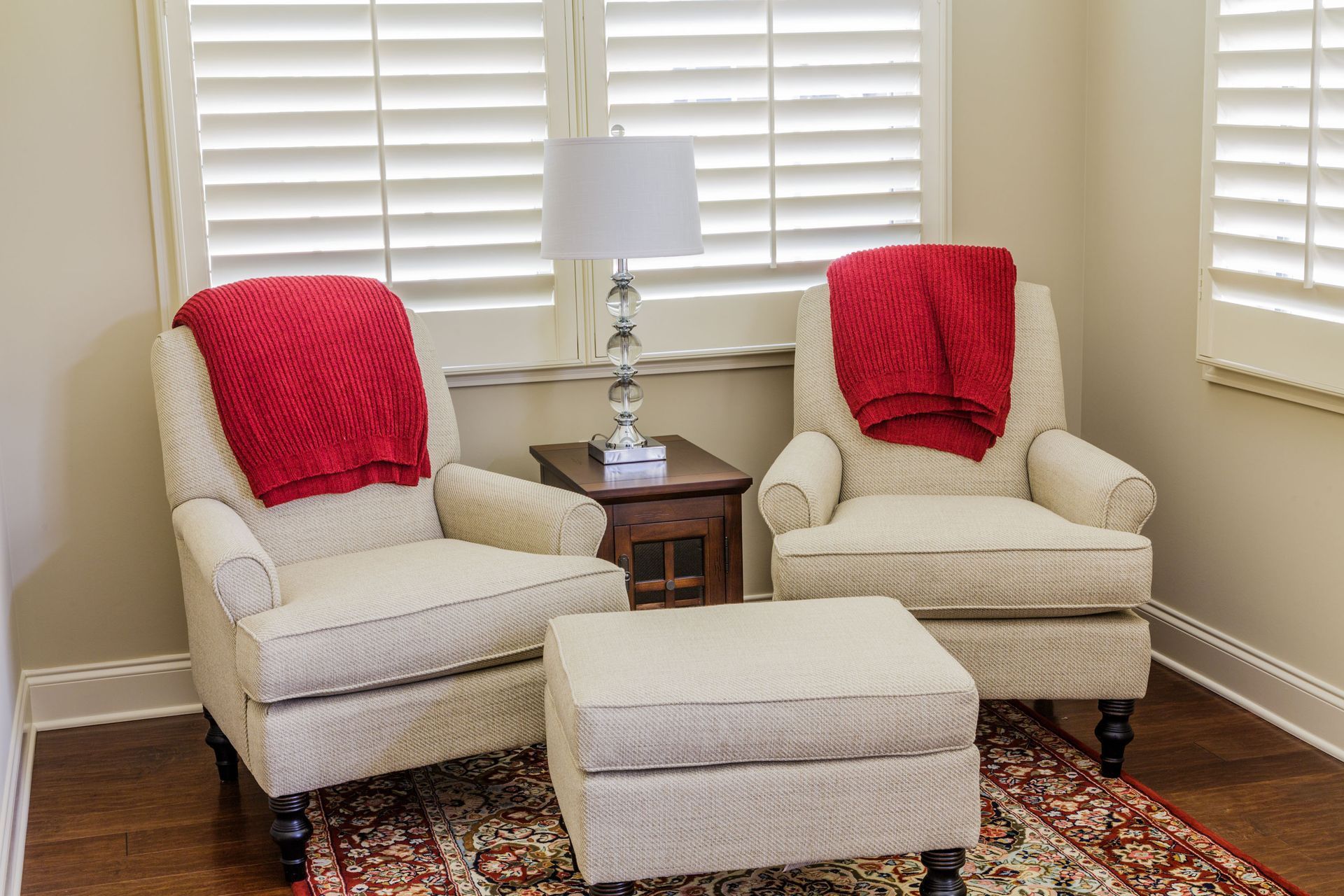
However, wooden blinds may not be suitable for all areas of the home, particularly spaces like the bathroom or kitchen where humidity is high. To counter this, faux wood alternatives mimic the look of real wood but with enhanced water resistance, making them suitable for moisture-prone environments. As part of the foundational styles, wooden blinds are a prime example of horizontal operational orientation, offering flexibility in light control and a classic charm. They can seamlessly blend with both modern and traditional interiors, providing a versatile window dressing solution.
3.2 Fabric Blinds
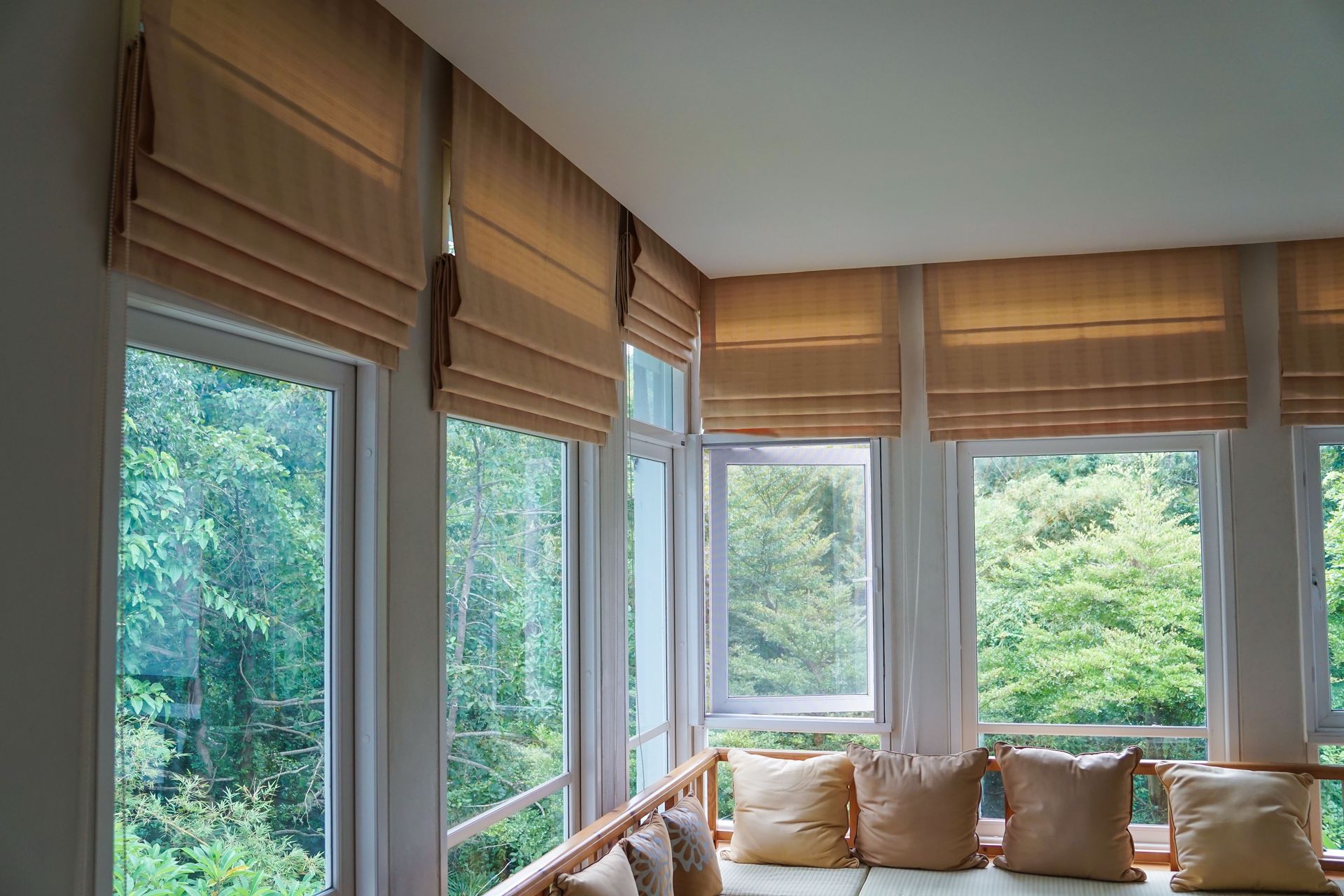
Fabric blinds are cherished for their variety and versatility, offering an abundance of textures, colors, and patterns to choose from. They suit a range of designs, from classic and traditional to modern and minimalist, easily integrating into any décor scheme. Fabric blinds, such as Roman or pleated styles, can add softness and warmth to interiors, promoting an inviting atmosphere. Moreover, these blinds offer excellent light control, from sheer options that gently filter sunlight to opaque versions providing total darkness.
One of the drawbacks of fabric blinds is their potential to absorb odors and moisture, particularly in kitchens and bathrooms, requiring regular cleaning to maintain freshness. However, treated fabrics offer improved resistance to these elements, extending their functionality in various environments. Horizontal blinds in fabric styles can manage light and privacy effectively, representing a key category in foundational styles of blinds. This flexibility in light control makes them a favored choice for living areas or bedrooms, where versatile ambiance is desired.
The right style of blinds can significantly enhance your home environment. By considering the type of room, material, functionality, and personal preference, you can select blinds that are not only stylish but also practical. Understanding core operational orientations and foundational styles gives you a comprehensive perspective to guide your selection process. Choosing the perfect blinds for your home ultimately comes down to matching your lifestyle with your aesthetic ideals, ensuring your window treatments align with your overall design vision. Reach out to The Blind Place today to see how we can help you!