September 3, 2026
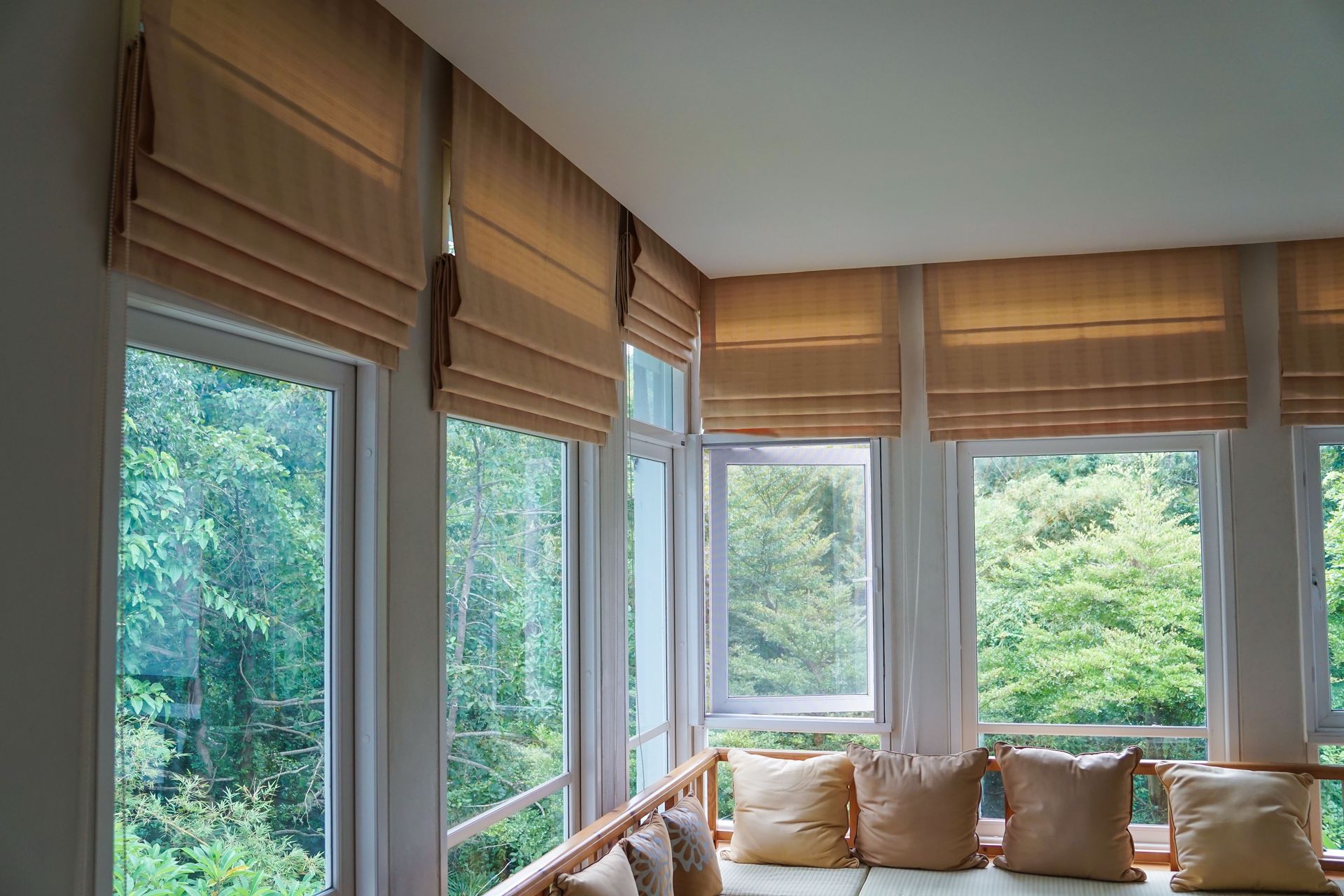
Roman shades combine the softness of fabric with compact operation. When raised, the material gathers into horizontal folds; when lowered, it creates a tailored panel across the window. This combination gives designers control over color, pattern, texture, privacy, and light without the volume of full-length drapery. Window Roman shades can look restrained or decorative depending on the fabric, fold style, lining, trim, and mounting method, making them adaptable across interiors.
They Balance Softness With a Tailored Shape
Hard window treatments often emphasize crisp structure, while curtains introduce movement and larger amounts of fabric. Roman shades occupy a useful middle ground. Their flat or folded surfaces soften the window, yet their defined outline keeps the treatment visually organized. This balance works well in rooms where designers want warmth without allowing fabric to dominate walls or floor space.
Window Roman shades can be coordinated quietly with the wall color or used as a focal point. A solid neutral emphasizes architecture and surrounding furnishings, while a patterned textile introduces rhythm or contrast. Designers often repeat a shade color in upholstery, artwork, rugs, or accessories so the window treatment contributes to a connected room rather than appearing isolated.
They Provide Flexible Light and Privacy Control
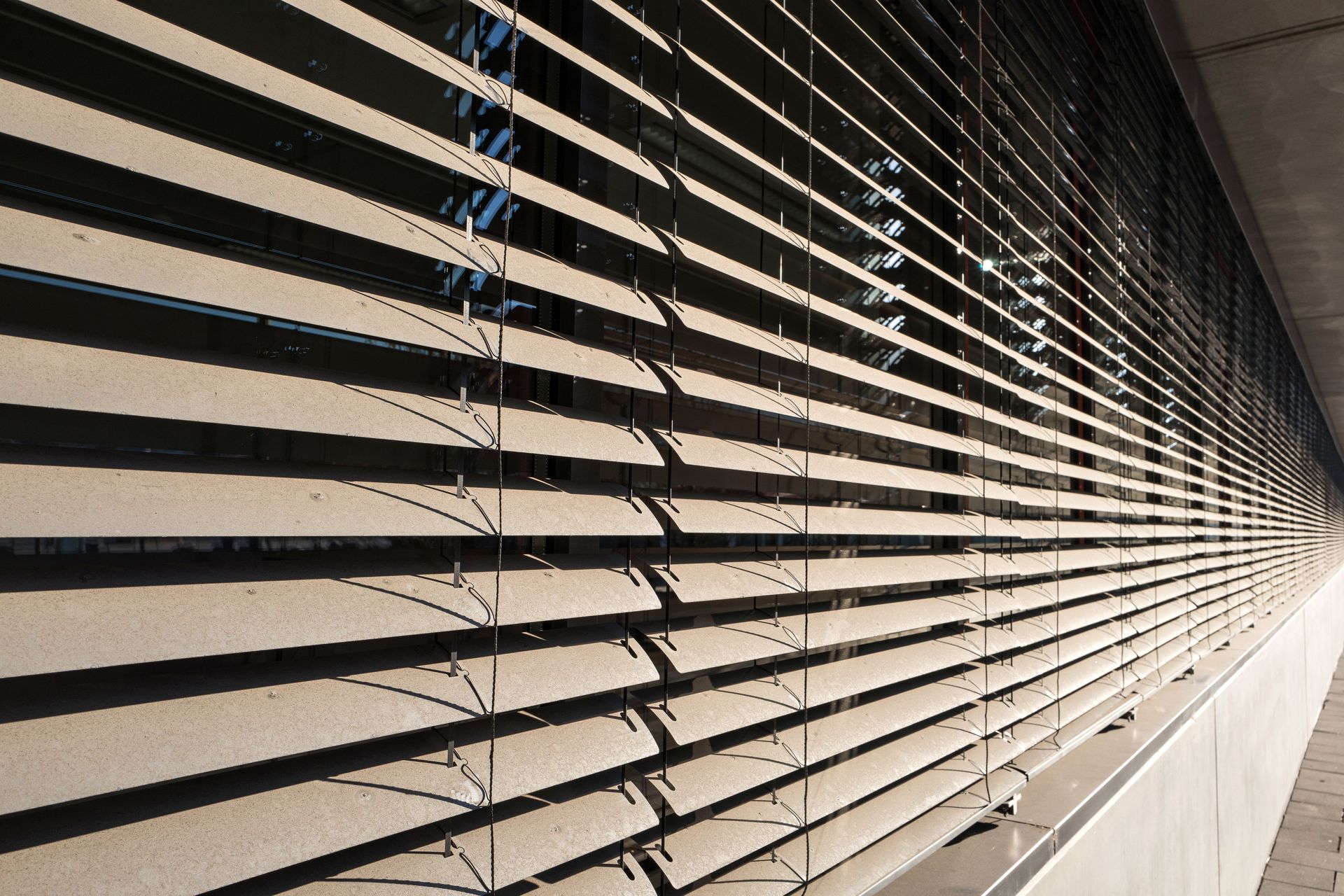
Raising or lowering the shade lets occupants change the amount of exposed glass. A fully raised treatment admits more daylight and opens the view, while a lowered shade increases privacy and reduces direct glare. Because the entire panel moves together, Roman shades offer different control from adjustable blinds, whose slats can redirect light without uncovering the window.
Fabric opacity determines how the treatment behaves when closed. Sheer or loosely woven material can soften light while preserving some brightness, but it may provide limited nighttime privacy. More opaque fabrics block views and reduce daylight. Blackout lining can darken bedrooms or media spaces, although light may still enter around the edges depending on mounting, window shape, and installation gaps.
Lining changes more than opacity. It can protect the face fabric from some sun exposure, improve the appearance from outside, add body to the folds, and provide another layer at the glass. The selected lining must work with the textile and operating system. Heavy combinations may require stronger hardware or motorization suited to the finished weight.
They Can Support a More Comfortable Interior
Windows can be a significant path for unwanted heat movement. According to the U.S. Department of Energy, approximately 30% of the heating energy used by a home escapes through its windows. A properly fitted shade can add a layer between the room and glass, but its impact depends on fabric, lining, edge gaps, operation, window performance, climate, and occupant behavior.
During cold weather, lowering a suitable treatment at night may reduce heat loss through the glass. Opening it on sunny winter days may allow useful solar gain, depending on the window orientation and climate. In warm weather, closing the shade before strong sun reaches the glass can reduce solar heat entering the room. Timing matters because a treatment left open during peak sun cannot provide the same effect.
Fit affects performance. An inside-mounted shade can look integrated with the window frame, but small side gaps may allow light and air movement. An outside-mounted shade can overlap the opening more extensively and may reduce edge gaps, although it changes how the treatment relates to trim and wall space. Designers weigh insulation, light control, architecture, and appearance when selecting the mount.
They Offer Extensive Customization
Custom treatments can be produced to suit many window dimensions, provided the chosen system supports the size and weight. Designers can specify fold style, fabric, lining, trim, valance, bottom detail, mount, and control method. This flexibility helps window Roman shades coordinate with unusual color schemes or architectural conditions where a limited ready-made selection may not fit.
Pattern placement deserves careful planning. Centering a motif, aligning stripes, and matching repeats across multiple windows can substantially affect the finished appearance and fabric quantity. Adjacent shades should begin their pattern at consistent points when visual continuity matters. These details are especially noticeable when several windows appear along the same wall.
Inside and outside mounts offer different visual effects. Inside mounting leaves the casing visible and produces a fitted appearance when the window recess provides enough depth. Outside mounting can make a window appear wider or taller and may conceal uneven trim. Measurements must account for hardware, projections, handles, cranks, and any obstructions that could interfere with movement.
Modern Controls Add Convenience and Safety
Traditional corded treatments can create strangulation hazards for young children. Current safety standards and product requirements should guide selection, and cordless or inaccessible-control designs are generally preferable in homes and facilities where children may be present. Consumers should follow manufacturer instructions and applicable safety guidance rather than altering operating components themselves.
Cordless manual shades create a clean appearance and remove a hanging pull cord, but the window must remain reachable. Motorized controls can be helpful for tall, wide, heavy, or difficult-to-access treatments. They may operate by remote, wall control, app, voice platform, or scheduled automation, depending on the system. Electrical access, batteries, charging, compatibility, and maintenance should be discussed before ordering.
Operational hardware needs to match the shade's dimensions and weight. Undersized mechanisms may operate poorly or wear prematurely. When comparing window Roman shades, homeowners should review weight limits, warranty coverage, replacement-part availability, and whether the motor or control can be serviced without replacing the entire treatment.
They Work Well Alone or in Layers
Roman shades can provide a complete treatment in compact rooms where curtains would crowd furniture or cover architectural details. Their contained shape also works above desks, banquettes, counters, and built-ins. The raised stack occupies space at the top of the window, so designers must calculate whether it will block part of the glass or interfere with a door or transom.
Layering a shade with drapery adds visual depth and expands control options. The Roman shade can manage privacy and daylight, while side panels soften the wall or frame the view. Decorative panels that do not close should not be counted on for privacy or insulation. Rod placement, returns, and fabric fullness should be planned with the shade projection.
Proper Measurement and Care Protect the Investment
Accurate measuring is essential because small errors can produce light gaps, rubbing, crooked operation, or hardware that does not fit. Windows that appear identical may differ slightly. Professional measurement can account for out-of-square openings, mounting depth, trim, obstructions, and alignment across multiple windows.
Regular use should remain smooth and even. Frayed cords, uneven folds, damaged rings, loose brackets, or unreliable motors warrant attention. Owners should stop operating a shade that binds or drops unexpectedly. Prompt service can prevent a small hardware problem from damaging the fabric or creating a safety concern.
Their Appeal Comes From Adaptable Design
Designers favor Roman shades because one compact form can carry many different visual ideas. Fabric and folds add softness, customized details connect the treatment to the room, and adjustable coverage manages privacy and glare. Lining, mounting, and operation can then be selected around the practical needs of the window.
The best window Roman shades are not chosen by trend alone. They result from coordinating appearance with light, privacy, safety, energy goals, access, and maintenance. When those decisions are made together, Roman shades can feel both timeless and specific to the home—an adaptable combination that explains their lasting place in interior design. For quality window Roman shades, turn to The Blind Place!