August 30, 2026
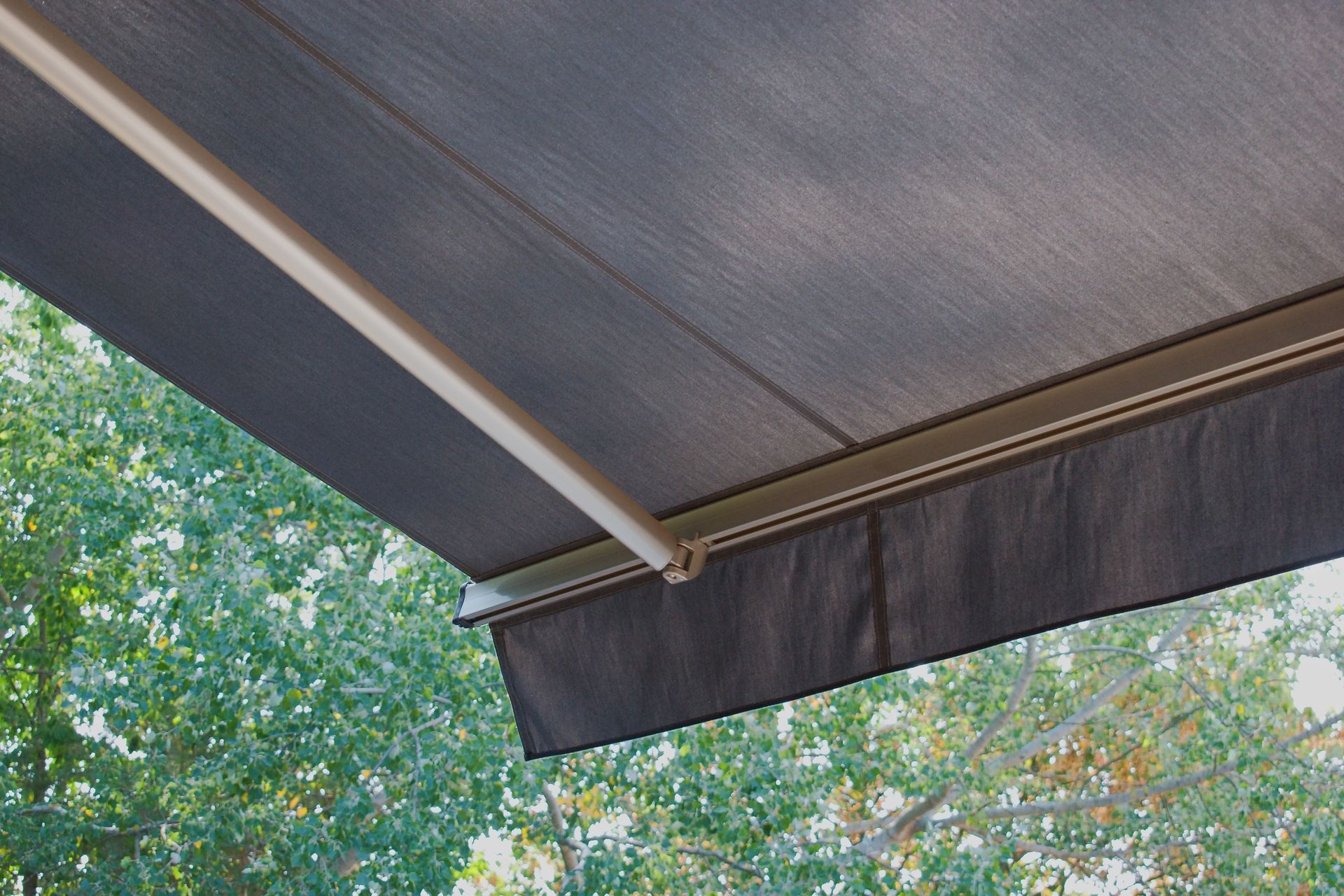
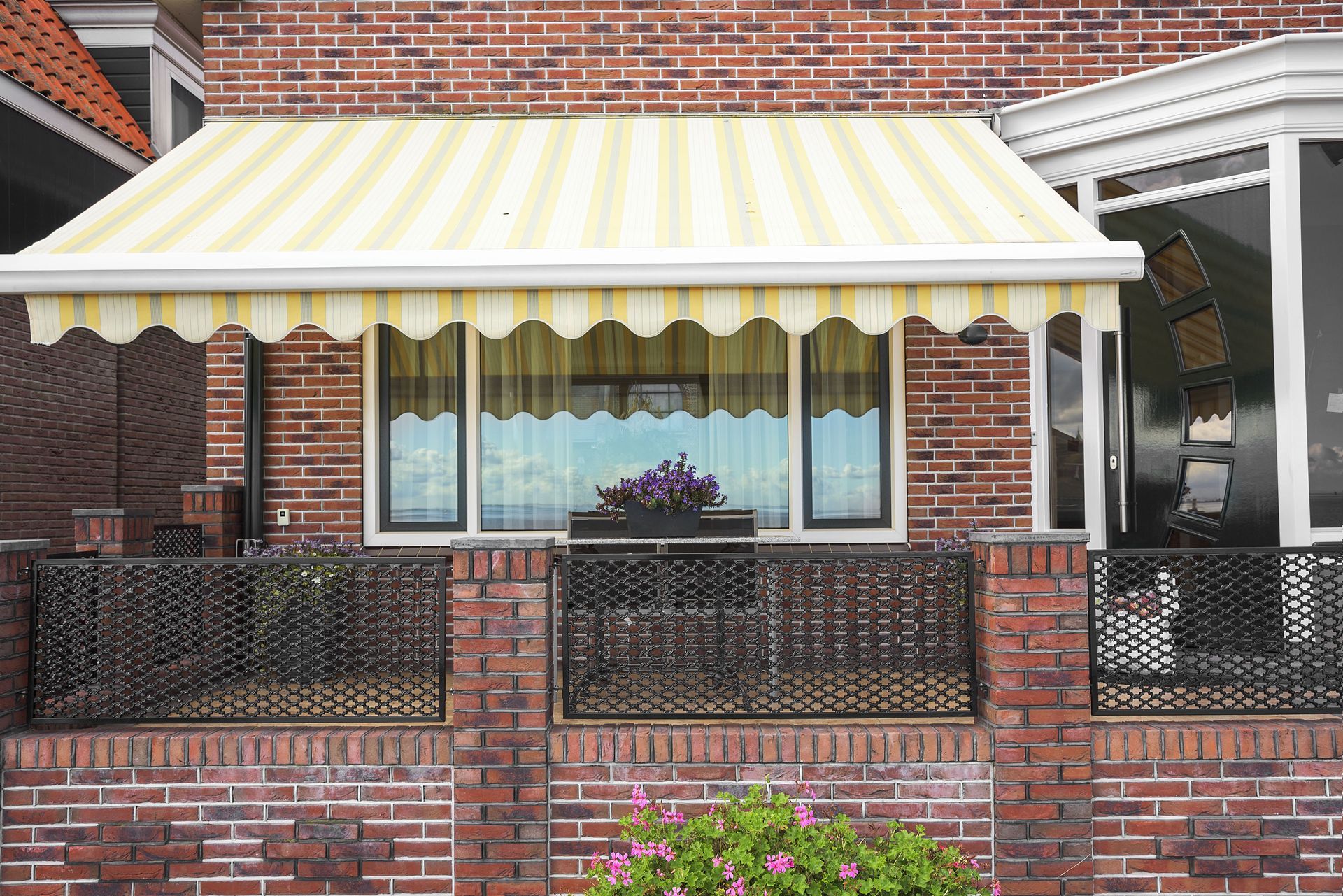
This article will explore the role of window treatments in enhancing energy efficiency in buildings, focusing on why exterior shades are generally more effective than interior blinds. According to the American Society of Heating and Air Conditioning Engineers, a fabric awning reduces solar heat gain by 55% to 65% when the sun shines directly on southern-facing windows. Windows are critical elements in a building’s energy dynamics, influencing heat gain and loss significantly. Among various strategies for enhancing a building's energy efficiency, window treatments stand out for their direct impact on regulating indoor temperatures. This piece will delve into the nuanced differences between exterior shades and interior blinds, examining their construction, installation, and functionality. Not only do these features affect a building's energy efficiency, but they also play roles in environmental sustainability and economic savings.
Differences Between Exterior Shades and Interior Blinds
Construction and Materials
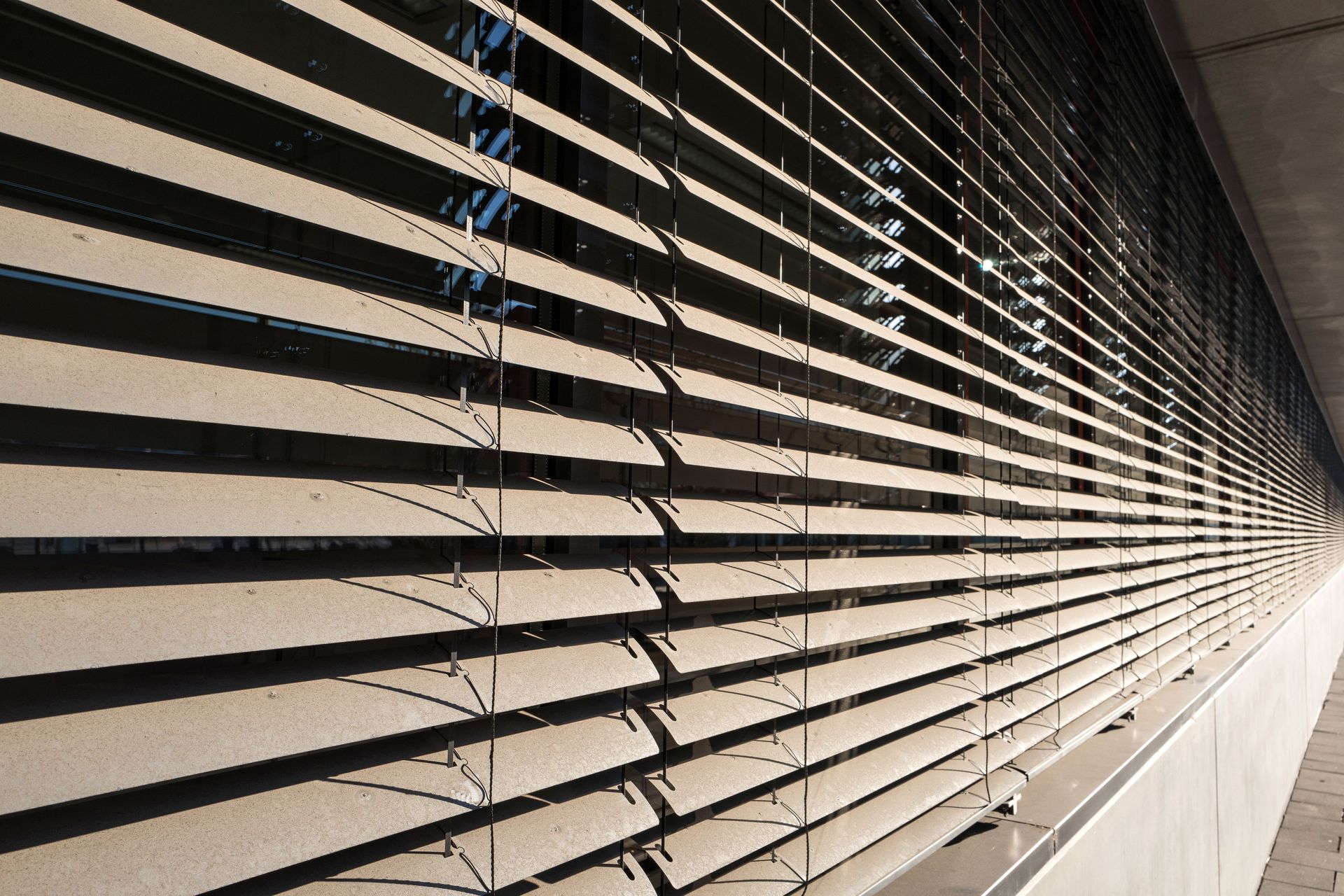
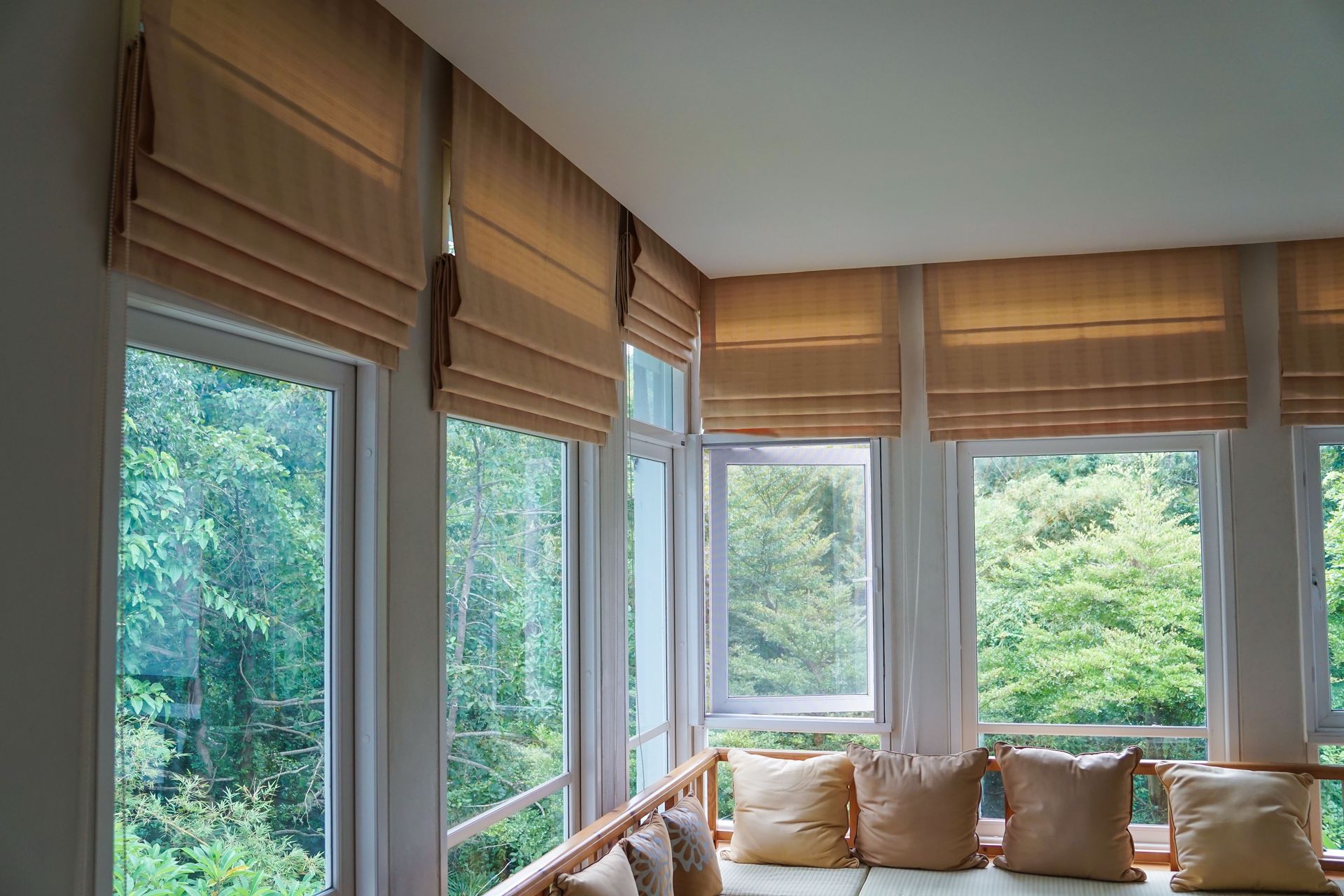
Exterior shades and interior blinds differ fundamentally in their construction and materials. Exterior shades are typically made from robust, weather-resistant materials that can withstand outdoor conditions. These materials are often designed to block or filter sunlight without compromising on durability. Interior blinds, by contrast, are more focused on aesthetics and flexibility, commonly constructed from fabric, vinyl, or wood that provides moderate insulation. The materials used in exterior shades contribute to their superior energy efficiency by effectively reducing heat gain and providing prolonged service life in various weather conditions.
Installation and Aesthetics
Installation and aesthetics play significant roles in the choice between exterior shades and interior blinds. Exterior shades require installation outside the window frame, which can affect the building's appearance and architectural style. However, modern designs offer sleek, unobtrusive aesthetics that can complement a building's exterior. Interior blinds, installed within the window frame, offer a wide range of colors and styles to match interior decor. While aesthetic appeal is important, it is critical to balance this with the energy efficiency benefits offered by exterior solutions. As such, exterior shades can provide both functional and aesthetic value when selected thoughtfully.
Functional Differences
The functional differences between exterior shades and interior blinds are vast, with each serving distinct purposes. Exterior shades are primarily designed to block solar radiation from reaching the window glass, reducing heat gain effectively. This attribute is particularly beneficial in warm climates where cooling loads are high. Interior blinds, however, are more effective at controlling light and maintaining privacy without significantly altering heat dynamics. While both options have their merits, exterior shades generally provide greater utility in terms of energy efficiency and climate control.
Protection from the Elements
Protection from the elements is a crucial aspect of exterior shades that elevates their utility beyond that of interior blinds. Exterior shades are specifically engineered to withstand wind, rain, and UV exposure, providing a layer of protection for window glass and frames. This protective capacity also aids in extending the life of the window fixtures and minimizing maintenance needs. Interior blinds lack this functionality as they are intended for indoor use and cannot guard against weather-induced wear and tear. Consequently, investing in exterior shades can offer long-term benefits by preserving the condition of building façades and windows.
Benefits of Exterior Shades for Reducing Heat Gain
Blocking Direct Sunlight
One of the primary benefits of exterior shades is their ability to block direct sunlight effectively before it penetrates windows. By intercepting solar radiation outside, they prevent heat from entering the building, maintaining cooler indoor temperatures. This is particularly advantageous in warm climates where the cooling load is a significant energy concern. Meanwhile, interior blinds allow sunlight to pass through the glass before being blocked, which can contribute to heat buildup. Thus, exterior shades offer superior protection from solar heat gain, leading to reduced air conditioning requirements and energy savings.
Heat Absorption Properties
Exterior shades offer notable heat absorption properties that contribute to their efficiency in moderating indoor temperatures. Designed to absorb and reflect solar heat, they minimize the amount of heat that transfers indoors. This aspect is particularly beneficial during peak sunlight hours, when the demand for cooling is highest. Unlike exterior shades, interior blinds do not prevent heat from entering the glass, resulting in increased heat transfer indoors. Consequently, by employing exterior shades, buildings can achieve substantial reductions in cooling energy and associated costs.
Minimizing Solar Radiation
Minimizing solar radiation is a crucial function of exterior shades, which directly leads to enhanced energy efficiency. By preventing solar rays from reaching the window glass, exterior shades reduce the amount of indoor heat gain significantly. This is particularly beneficial for buildings with large glass surfaces or southern exposures that receive intense sunlight. Interior blinds, while effective for light control, permit some radiation passage, inadvertently contributing to internal heat gain. Thus, incorporating exterior shades into building designs is a proactive approach to managing solar heat and optimizing energy use.
Climate Control and Indoor Comfort
Exterior shades contribute significantly to climate control and indoor comfort by regulating temperatures through shading. By cooling indoor spaces, these shades reduce the need for active air conditioning, thereby lowering energy consumption and improving comfort. This is critical in achieving a stable indoor climate that enhances occupant well-being and productivity. Interior blinds, although useful for privacy, do not offer the same level of temperature regulation due to their placement. Therefore, exterior shades play an integral role in harmonizing energy efficiency with climate control, providing both environmental and personal benefits.
Impact on Energy Bills and Cost Savings
Calculating Energy Savings
Calculating energy savings resulting from the use of exterior shades involves assessing reductions in heat gain and corresponding decreases in cooling energy demands. By minimizing solar heat absorption, these shades contribute to lower electricity usage for air conditioning. Data on energy savings can be assessed by comparing energy bills or modeling energy performance with and without exterior shading systems. Over time, these savings can accumulate, providing substantial reductions in utility costs. Homeowners and building managers need to consider energy savings as a key factor when investing in window treatments.
Long-term Cost Benefits
Investing in exterior shades provides long-term cost benefits that extend beyond immediate energy savings. The durability of these installations reduces maintenance and replacement costs over their lifespan. Additionally, by lowering energy consumption, they protect building systems from excessive use, potentially prolonging the life of HVAC units. These long-term financial benefits can offset the initial investment in exterior shades significantly. As a result, building owners can enjoy enhanced property value and energy efficiency without frequent incursions into maintenance budgets.
Return on Investment
The return on investment (ROI) for exterior shades is often favorable due to their energy-saving advantages and low maintenance requirements. By reducing energy demand, building owners can recuperate installation costs relatively quickly through low utilities. Additional savings are realized through decreased maintenance needs compared to traditional window treatments. The environmental benefits also contribute to ROI by offering a sustainable solution that aligns with modern building standards and regulations. Ultimately, the comprehensive advantages of exterior shades provide a compelling case for their adoption in energy-focused renovations or construction.
Case Studies and Real-world Examples
Numerous case studies highlight the energy savings and cost advantages of utilizing exterior shades in diverse settings. In commercial buildings, for example, exterior shading has contributed to significant reductions in cooling costs, enhancing thermal comfort for occupants. One study might illustrate a residential development that achieved increased energy efficiency ratings post-installation of exterior shades. Such real-world examples underscore the practical effectiveness and economic sense of incorporating these solutions. They also serve as valuable references for building owners considering similar energy efficiency measures.
Exterior shades provide substantive advantages over interior blinds when it comes to energy efficiency in buildings. By blocking solar radiation and reducing heat gain, they significantly decrease cooling energy demands and support sustainable practices. While challenges such as initial costs and aesthetic integration exist, the long-term benefits, including energy savings, reduced carbon footprint, and enhanced thermal comfort, far outweigh the drawbacks. By making informed decisions about window treatments, individuals and building managers can contribute to energy-efficiency goals and broader sustainability efforts. Reach out to The Blind Place today to see how we can help you!